
Practice

ADI Part 1 theory test practice questions

20 real DVSA revision questions from Band 2 traffic signs and signals, car control, pedestrians, mechanical knowledge and Band 1 road procedure, with the correct answer and a full explanation for every one. Answer them one at a time and track your score against the real pass mark — 85 out of 100 — or just read the lot.

  • 20 questions
  • 10 Band 2 traffic signs and signals, car control, pedestrians, mechanical knowledge
  • 10 Band 1 road procedure
  • Pass mark 85 / 100

Reproduced from the Driver and Vehicle Standards Agency (DVSA) revision question bank under licence. The DVSA has given permission for the reproduction of Crown copyright material; DVSA does not accept responsibility for the accuracy of the reproduction. Source: DVSA - Theory Test Revision Question Bank.

20 here. The app carries the full DVSA revision question bank for the ADI Part 1 theory test, plus hazard perception clips and the 2026 Highway Code. Free to get started, works offline, no signup.

  1. Question 1 of 20

    Band 2 traffic signs and signals, car control, pedestrians, mechanical knowledge

    This plate is used with which sign?
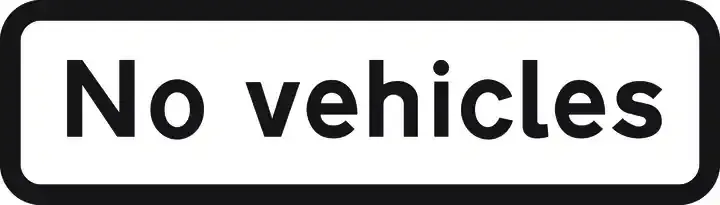
    Illustration for the question: This plate is used with which sign?

    Correct answer: C

    The white circular sign with a red border and no symbol means 'no vehicles', including ridden bicycles. It's always used with a plate: mostly 'no vehicles', but occasionally 'play street'. Exemptions and times of operation may also be shown on the plate.
  2. Question 2 of 20

    Band 1 road procedure

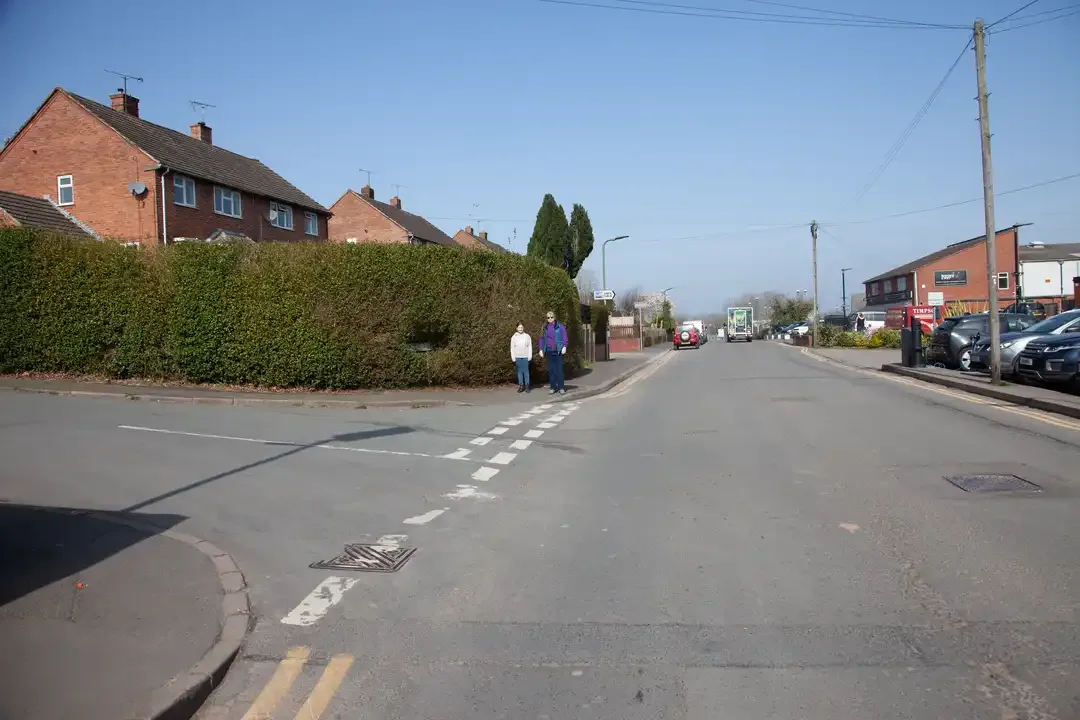
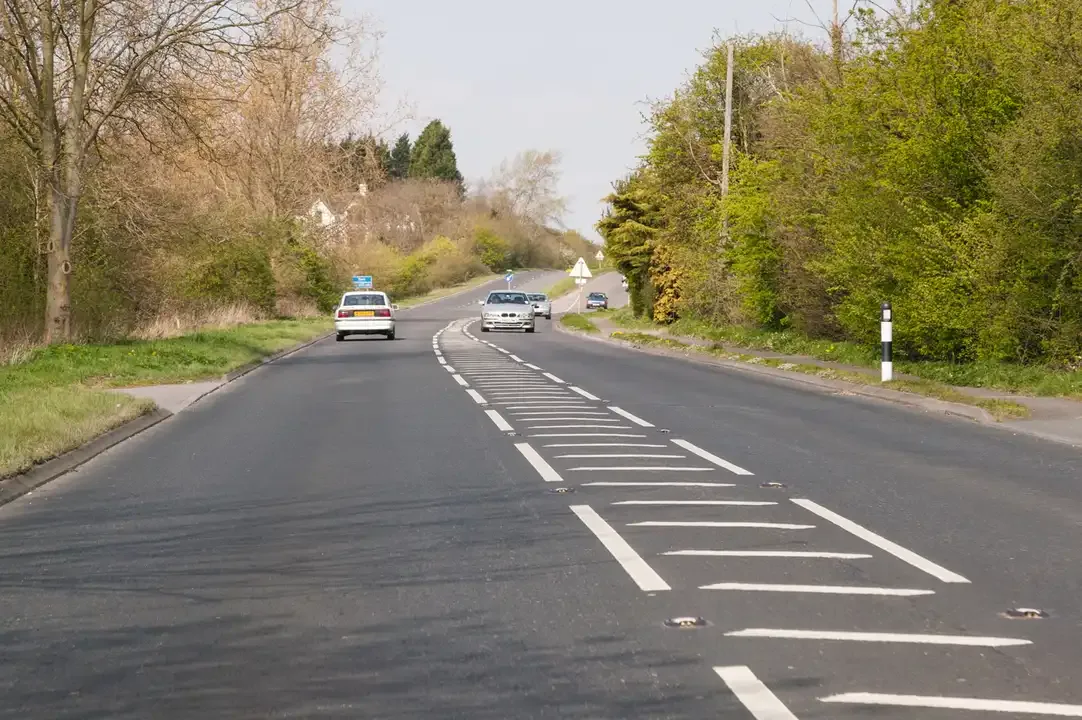
    What does it mean when an area of road is painted with white diagonal stripes and surrounded by a broken white line?

    Illustration for the question: What does it mean when an area of road is painted with white diagonal stripes and surrounded by a broken white line?

    Correct answer: C — Do not enter the area unless it's necessary and you can see it's safe

    Diagonal stripes or chevrons are painted on the road to help separate traffic lanes or vehicles turning right. When bordered by a solid white line, you should not enter the area except in an emergency. If the line is broken, you should not enter the area unless it's necessary and you can see that it's safe.

  3. Question 3 of 20

    Band 2 traffic signs and signals, car control, pedestrians, mechanical knowledge

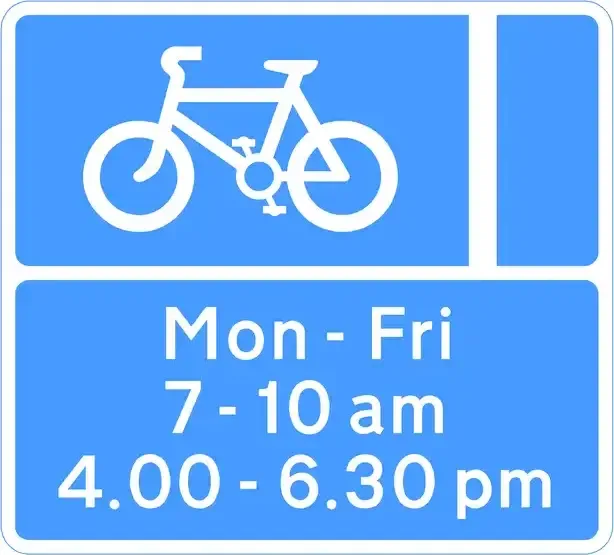
    When can car drivers use a cycle lane identified by this sign?

    Illustration for the question: When can car drivers use a cycle lane identified by this sign?

    Correct answer: B — Outside the times shown

    The sign shows a mandatory cycle lane, and drivers must not park or drive in it during its times of operation. The lane will be marked by a solid white line on the road. Where the cycle lane is advisory, it will be marked by a broken white line. There'll also be a similar sign that shows a bicycle on a blue background but without the lane represented. Do not drive in this lane unless it's unavoidable.

  4. Question 4 of 20

    Band 1 road procedure

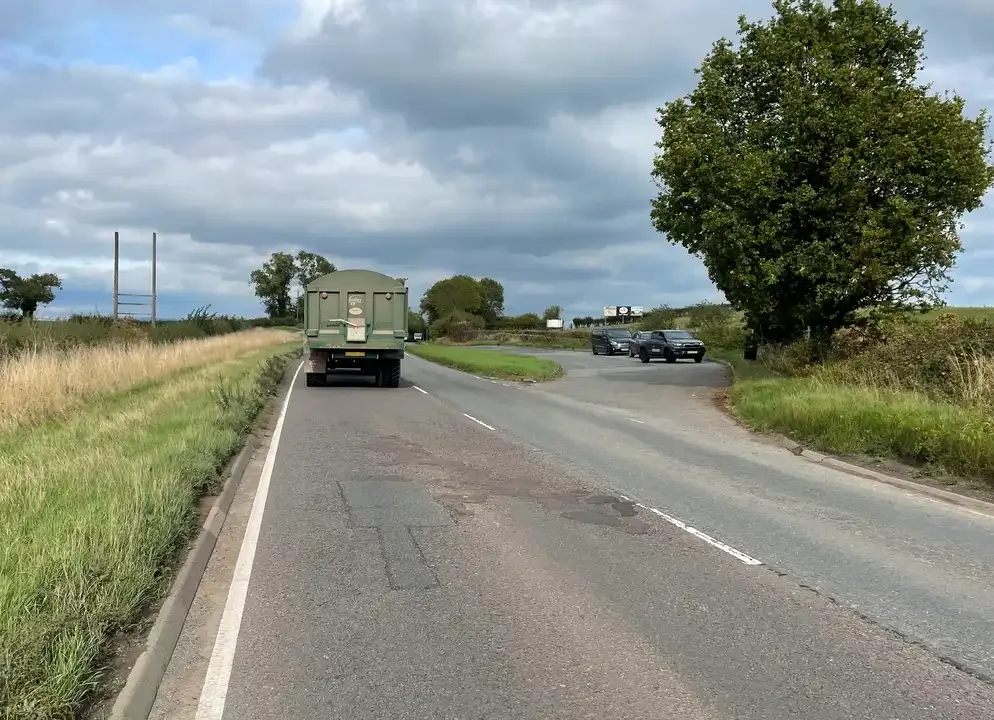
    Your learner wants to overtake a long, slow-moving vehicle on a busy road. What should you teach them to do?

    Illustration for the question: Your learner wants to overtake a long, slow-moving vehicle on a busy road. What should you teach them to do?

    Correct answer: D — Keep well back until they can see that it's clear

    If your learner wants to overtake a long vehicle, they should stay well back so that they can see the road ahead. They should not

    • get too close to the vehicle, as this will restrict their view of the road ahead

    • get impatient; overtaking on a busy road calls for sound judgement

    • take a gamble; only overtake when they can see that it's safe to complete the manoeuvre.

  5. Question 5 of 20

    Band 2 traffic signs and signals, car control, pedestrians, mechanical knowledge

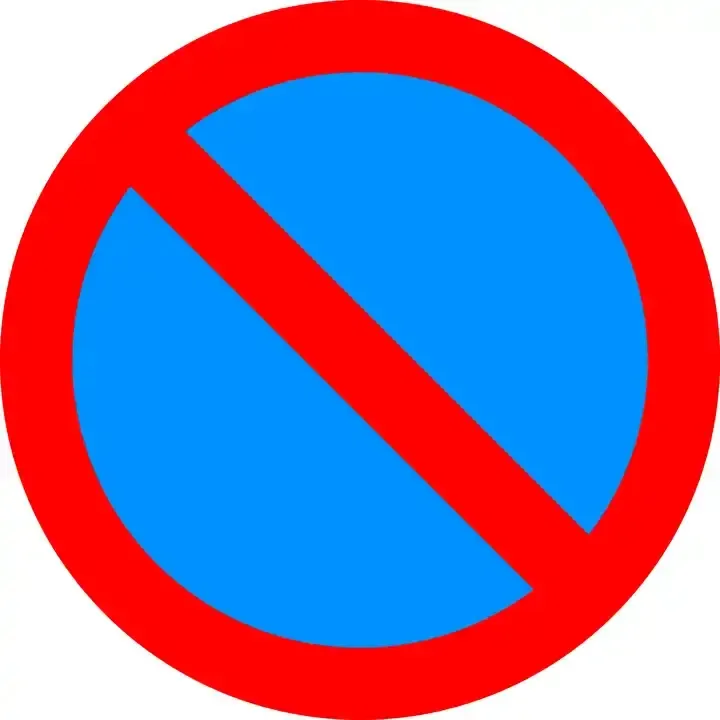
    What rule applies on a road that displays this sign?

    Illustration for the question: What rule applies on a road that displays this sign?

    Correct answer: B — You may only stop to pick up passengers

    This sign means there are waiting restrictions on the road. There may be further details, for example a plate showing when the restrictions are in place or road markings. Waiting restrictions generally allow you to stop briefly to pick up or set down passengers and may allow you to load or unload goods.

  6. Question 6 of 20

    Band 1 road procedure

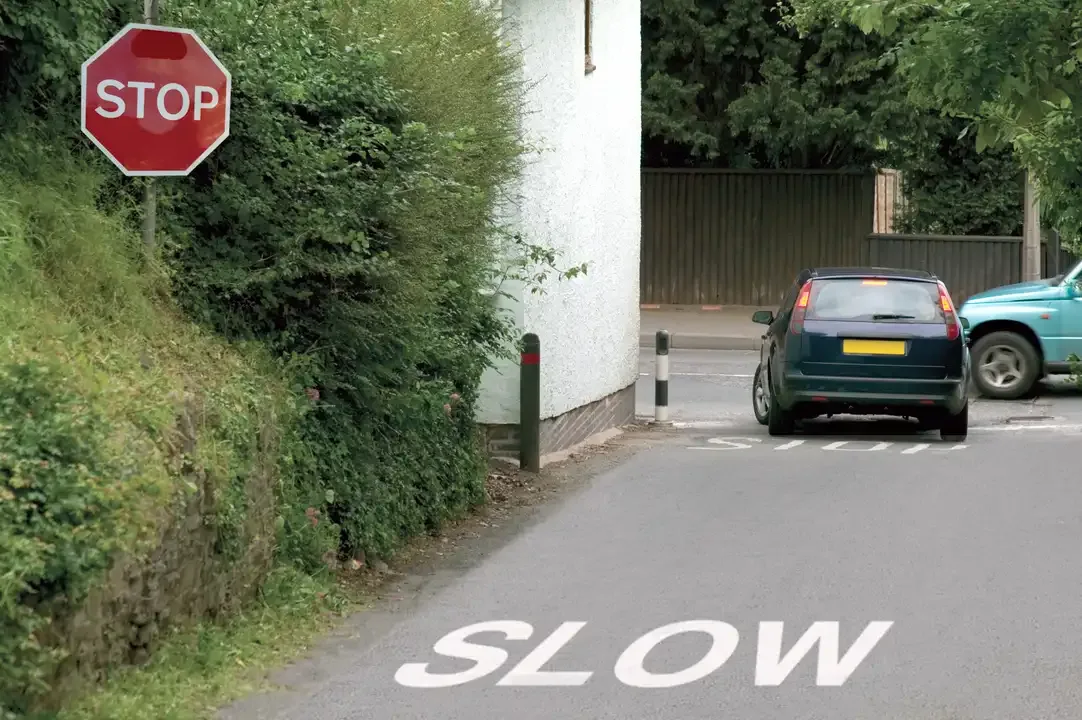
    What must your pupil do when they arrive at a blind junction?

    Illustration for the question: What must your pupil do when they arrive at a blind junction?

    Correct answer: D — Stop behind the line, then edge forward to see clearly

    At blind junctions, there's often a 'stop' sign. The 'stop' sign has been put there because the view into the main road is poor. Your pupil must stop because it will not be possible to assess the situation on the move, however slowly they're travelling.

  7. Question 7 of 20

    Band 2 traffic signs and signals, car control, pedestrians, mechanical knowledge

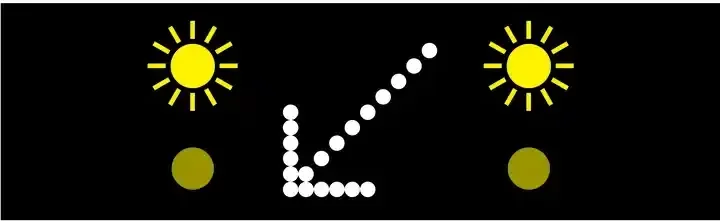
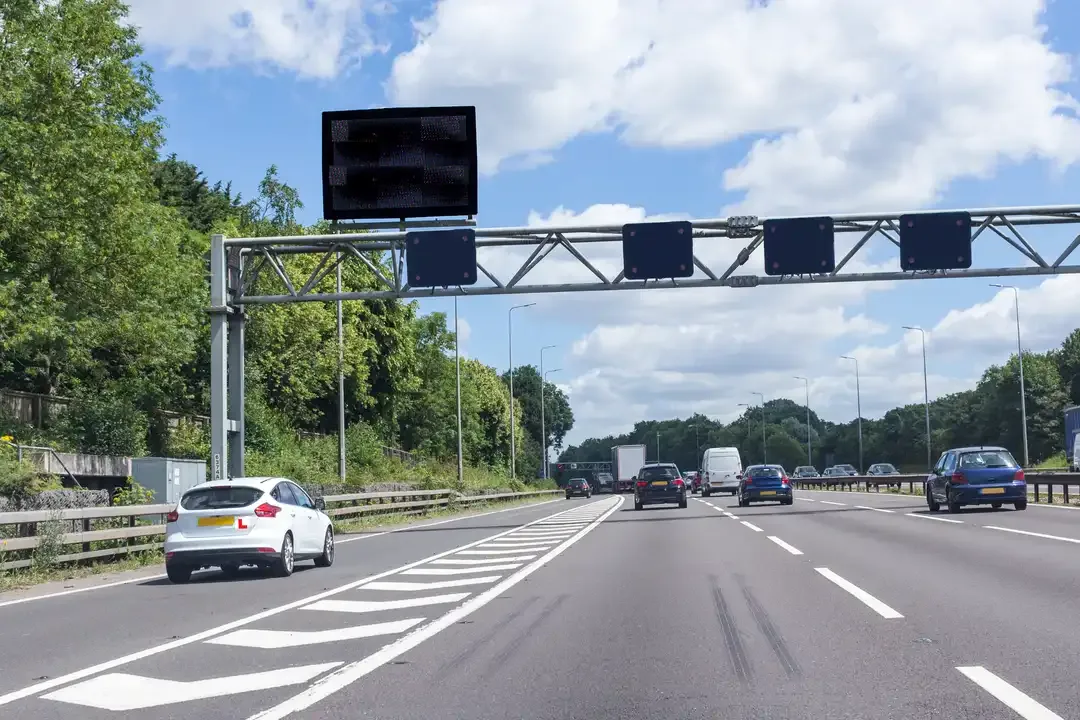
    You're driving in the right-hand lane on a three-lane motorway. What should you do when you see this sign?

    Illustration for the question: You're driving in the right-hand lane on a three-lane motorway. What should you do when you see this sign?

    Correct answer: C — Move to the middle lane

    This sign on the overhead gantry will be accompanied by flashing amber lights. The arrow directs you to move into the next lane. There might not be any visible signs of a problem ahead, but there might be queuing traffic or another hazard that you cannot yet see.

  8. Question 8 of 20

    Band 1 road procedure

    Your pupil’s driving in a town and wants to turn left into a junction. What should they do if pedestrians are waiting to cross at the junction?

    Illustration for the question: Your pupil’s driving in a town and wants to turn left into a junction. What should they do if pedestrians are waiting to cross at the junction?

    Correct answer: D — Stop and give way to the pedestrians

    If your pupil's turning into a side road, pedestrians already crossing the road have priority. Your pupil should also give way to pedestrians waiting to cross. Do not let your pupil

    • wave them across the road

    • sound their horn

    • flash their headlights

    • give any other misleading signal - other road users may misinterpret the signal and your pupil might lead the pedestrians into a dangerous situation.

    If a pedestrian is slow or indecisive, encourage your pupil to be patient and wait. Do not let your pupil hurry them across by revving the engine.

  9. Question 9 of 20

    Band 2 traffic signs and signals, car control, pedestrians, mechanical knowledge

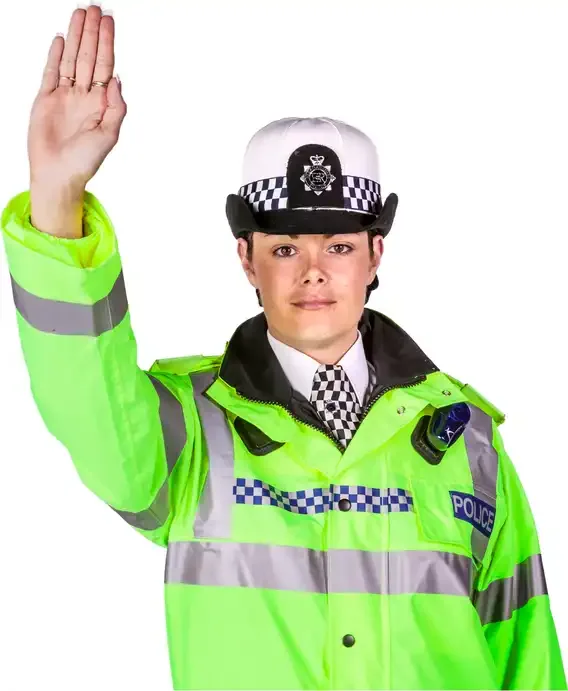
    You're approaching a junction where the traffic lights are not working. What should you do when a police officer gives this signal?

    Illustration for the question: You're approaching a junction where the traffic lights are not working. What should you do when a police officer gives this signal?

    Correct answer: D — Stop at the stop line

    If a police officer or traffic warden directing traffic signals you to stop, you must obey them. They'll use the arm signals shown in The Highway Code. If they're controlling traffic where traffic lights have failed, react to their signal as though it had been given by the traffic lights.

  10. Question 10 of 20

    Band 1 road procedure

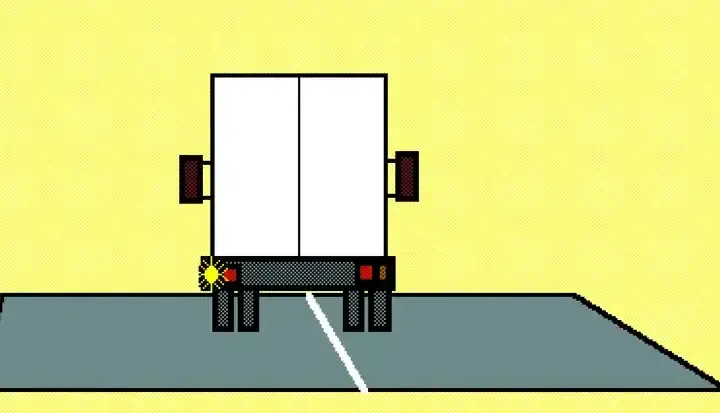
    Which vehicle would you expect to signal left and then move out to the right?

    Illustration for the question: Which vehicle would you expect to signal left and then move out to the right?

    Correct answer: C — Long vehicles

    A long vehicle, such as a lorry, a coach or a vehicle towing a trailer, may swing out to the right as it approaches a left turn. This allows the rear wheels to clear the kerb. Do not let your pupil try to filter through if they see a gap on the nearside.

  11. Question 11 of 20

    Band 2 traffic signs and signals, car control, pedestrians, mechanical knowledge

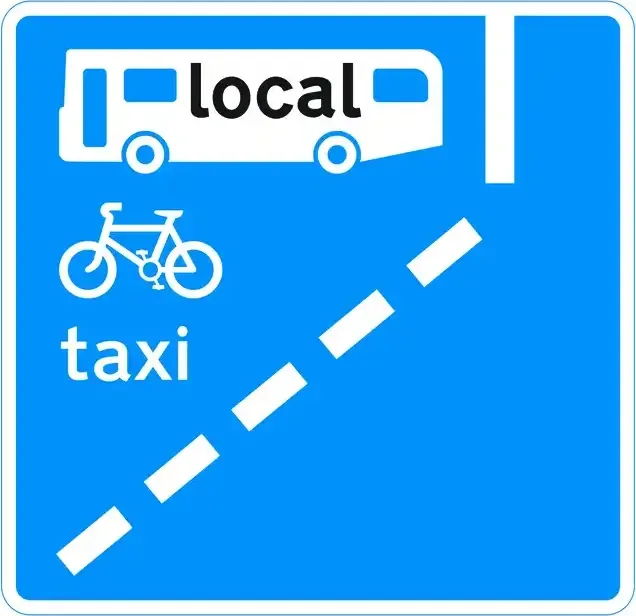
    When can car drivers use a bus lane identified by this sign?

    Illustration for the question: When can car drivers use a bus lane identified by this sign?

    Correct answer: C — At no time

    Some bus lanes only operate during peak hours and other vehicles may use them outside these hours. Make sure you check the sign for the hours of operation before driving in a bus lane. Where no hours are shown, the bus lane operates 24 hours a day.

  12. Question 12 of 20

    Band 1 road procedure

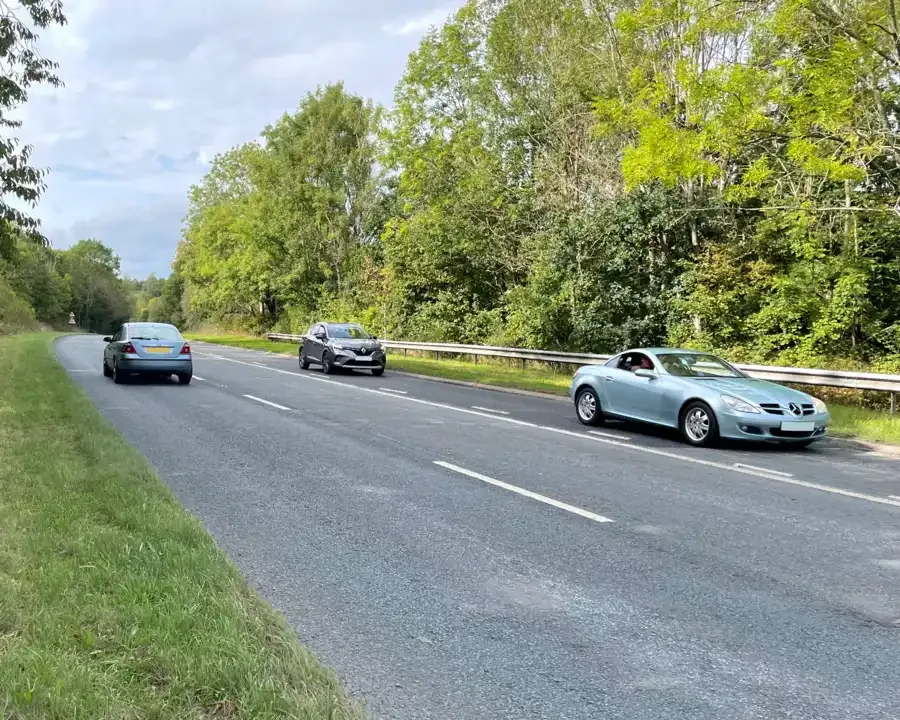
    Some two-way roads are divided into 3 lanes. Why are these particularly dangerous?

    Illustration for the question: Some two-way roads are divided into 3 lanes. Why are these particularly dangerous?

    Correct answer: A — Traffic in both directions may be able to use the middle lane to overtake

    If you want to overtake on a two-way road that has 3 lanes, you must consider that approaching traffic could be planning the same manoeuvre. When you've considered the situation and have decided it's safe, indicate your intentions early. This will show the approaching traffic that you plan to pull out. Some of these roads have solid white lines marked to allow for overtaking in one direction only, usually for uphill traffic.

  13. Question 13 of 20

    Band 2 traffic signs and signals, car control, pedestrians, mechanical knowledge

    When can you enter this hatched area?

    Illustration for the question: When can you enter this hatched area?

    Correct answer: C — When necessary and you can see it's safe to do so

    This hatched area is bordered by broken lines; in normal driving, there should not be a need to enter or cross the hatched area. When exceptional circumstances arise (for example, the need to pass a temporary obstruction or a slow-moving vehicle), you may drive on a hatched area when you're sure that it's safe to do so. Where hatched areas are bordered by a solid line, you must not enter the area except in an emergency.

  14. Question 14 of 20

    Band 1 road procedure

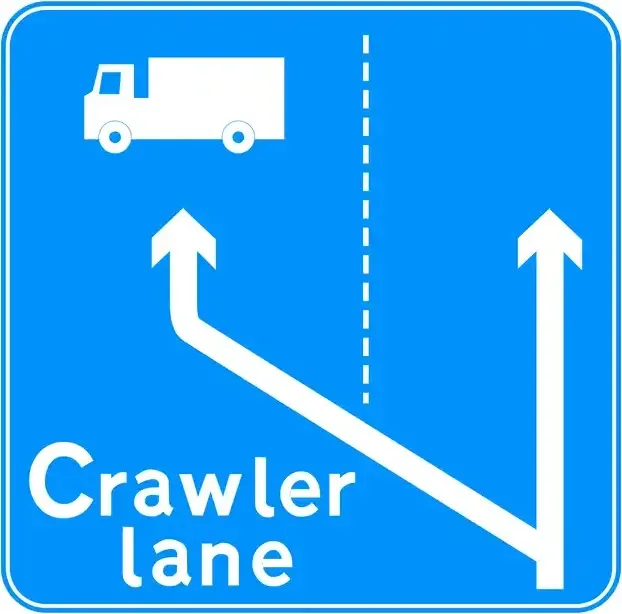
    Where would you find a crawler lane on a motorway?

    Illustration for the question: Where would you find a crawler lane on a motorway?

    Correct answer: A — On an uphill gradient

    Where a motorway has a steep uphill gradient, slow-moving, large vehicles might get in the way of other traffic. An extra lane on the left may be provided for these slow-moving vehicles. It allows faster-moving traffic to flow more easily.

  15. Question 15 of 20

    Band 2 traffic signs and signals, car control, pedestrians, mechanical knowledge

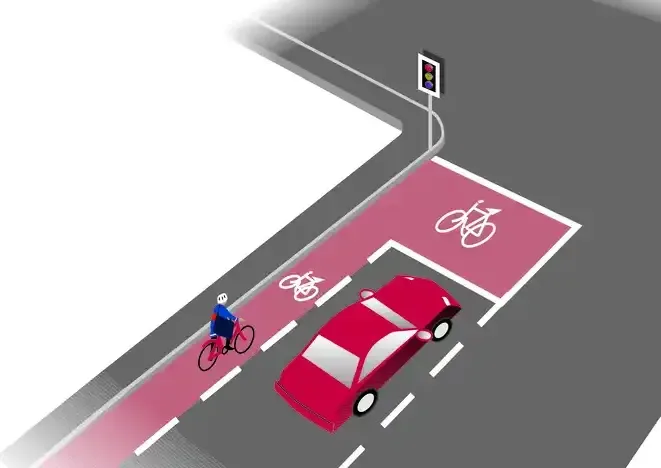
    As your student's approaching this junction, the green light changes to amber. What should they do if they're unable to stop at the first white line?

    Illustration for the question: As your student's approaching this junction, the green light changes to amber. What should they do if they're unable to stop at the first white line?

    Correct answer: C — Stop at the second line, in the area marked for cyclists

    Some junctions have advanced stop lines with an area for cyclists to position themselves ahead of other traffic. Your students must stop at the first white line they reach. If they're unable to stop safely at the first line, they must stop at the second line, even though they'll be blocking the area reserved for cyclists.

  16. Question 16 of 20

    Band 1 road procedure

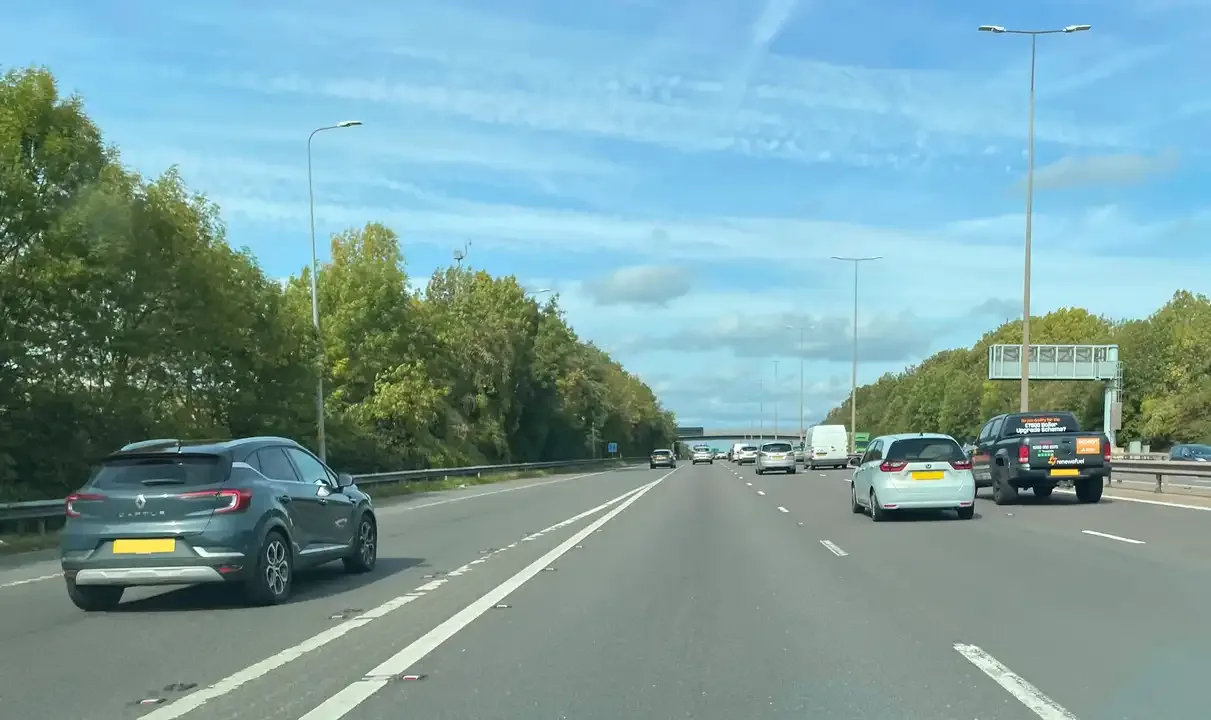
    Your pupil is driving along the left-hand lane of a three-lane motorway. You see traffic is joining from a slip road ahead. What should you suggest your pupil does to help maintain the traffic flow?

    Illustration for the question: Your pupil is driving along the left-hand lane of a three-lane motorway. You see traffic is joining from a slip road ahead. What should you suggest your pupil does to help maintain the traffic flow?

    Correct answer: B — Move to another lane

    If your pupil's driving along the motorway in the left-hand lane and you see traffic joining from a slip road ahead, you should ask them move to another lane if it's safe to do so. This can greatly assist the flow of traffic joining the motorway, especially at peak times.

  17. Question 17 of 20

    Band 2 traffic signs and signals, car control, pedestrians, mechanical knowledge

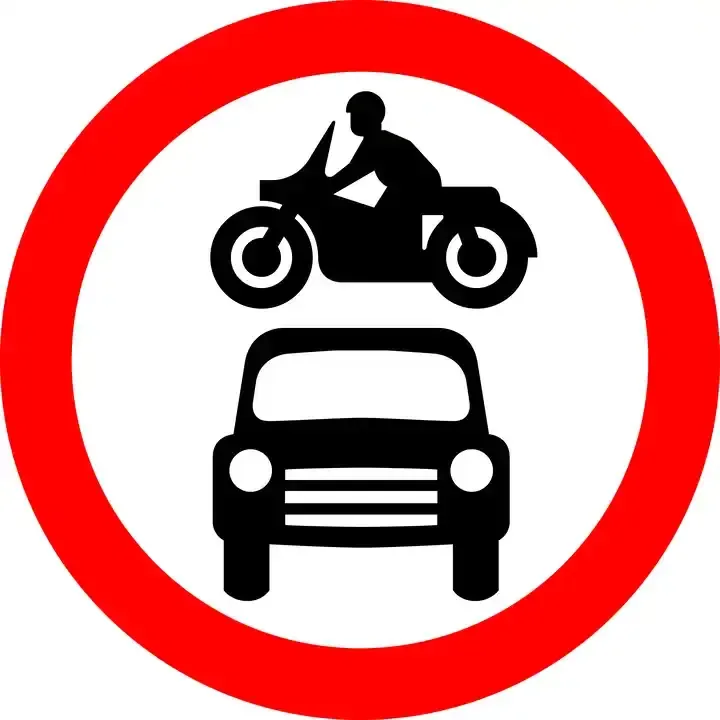
    Which type of vehicle is allowed to pass this sign?

    Illustration for the question: Which type of vehicle is allowed to pass this sign?

    Correct answer: C — Bicycle

    This sign prohibits all motor vehicles. Only bicycles may pass it. However, a black-and-white plate underneath the sign may give exemptions; for example, 'except buses' or 'except for access'.

  18. Question 18 of 20

    Band 1 road procedure

    You're teaching a student to join a motorway. Why is it important that they make full use of the slip road?

    Illustration for the question: You're teaching a student to join a motorway. Why is it important that they make full use of the slip road?

    Correct answer: C — To build up a speed similar to traffic already on the motorway

    The slip road should be used to allow your student to accelerate until their speed matches that of the traffic already on the motorway. By doing this, they can join the motorway without affecting the progress of the traffic. At busy times, they may have to slow down to merge into slow-moving traffic. Teach your students to always give way to traffic already on the motorway.

  19. Question 19 of 20

    Band 2 traffic signs and signals, car control, pedestrians, mechanical knowledge

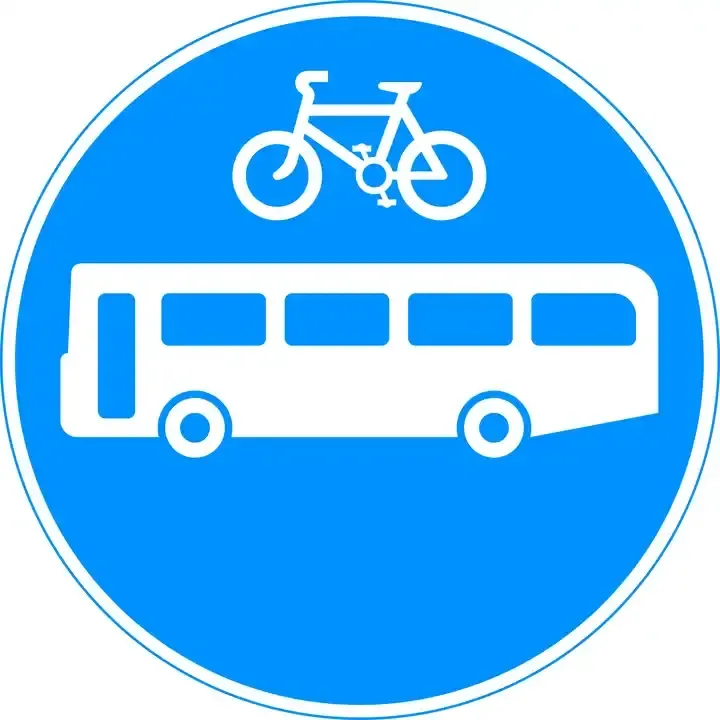
    What should you advise your pupil to do when they see this sign?

    Illustration for the question: What should you advise your pupil to do when they see this sign?

    Correct answer: C — Choose another route, as the road ahead is for buses and bicycles only

    This blue circular sign indicates a route available only to the class of vehicle shown. Plan ahead so that when you see the sign, you have time to take another route; this may be indicated by other traffic signs.

  20. Question 20 of 20

    Band 1 road procedure

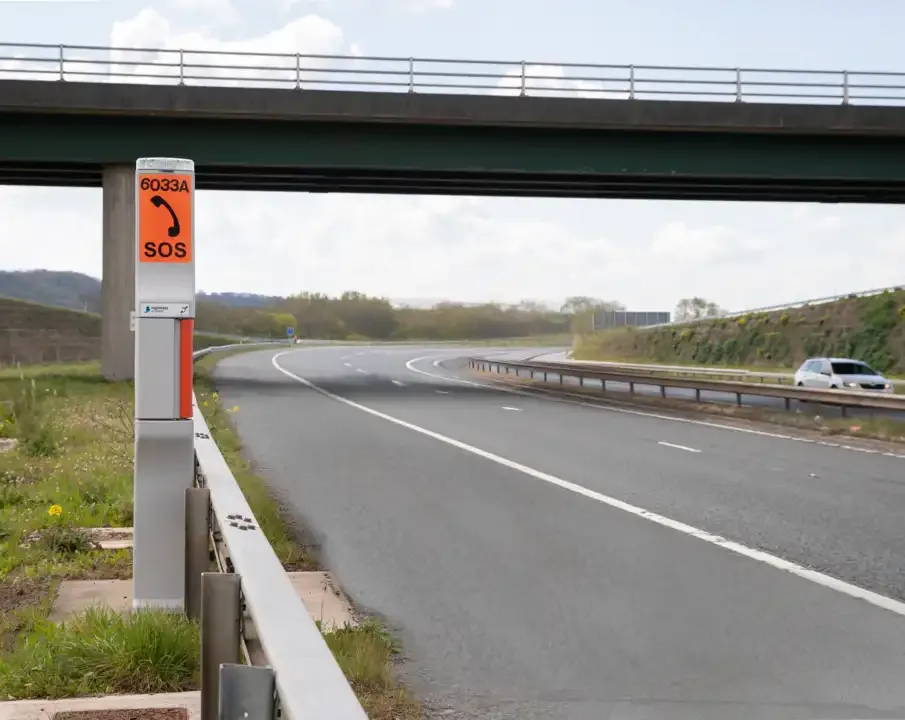
    What should you do when you use the emergency telephone on a motorway?

    Illustration for the question: What should you do when you use the emergency telephone on a motorway?

    Correct answer: B — Face the oncoming traffic

    Serious incidents have occurred when vehicles or people on the hard shoulder have been struck by vehicles using the left-hand lane of the motorway. While using the emergency telephone, be alert and watch for approaching traffic.