
Practice

Lorry, bus & coach theory test practice questions

20 real DVSA revision questions from road and traffic signs and other road users, with the correct answer and a full explanation for every one. Answer them one at a time and track your score against the real pass mark — 85 out of 100 — or just read the lot.

  • 20 questions
  • 10 road and traffic signs
  • 10 other road users
  • Pass mark 85 / 100

Reproduced from the Driver and Vehicle Standards Agency (DVSA) revision question bank under licence. The DVSA has given permission for the reproduction of Crown copyright material; DVSA does not accept responsibility for the accuracy of the reproduction. Source: DVSA - Theory Test Revision Question Bank.

20 here. The app carries the full DVSA revision question bank for the lorry and bus theory test, plus hazard perception clips and the 2026 Highway Code. Free to get started, works offline, no signup.

  1. Question 1 of 20

    Road and traffic signs

    What should you do if you see this sign when you're about to overtake?
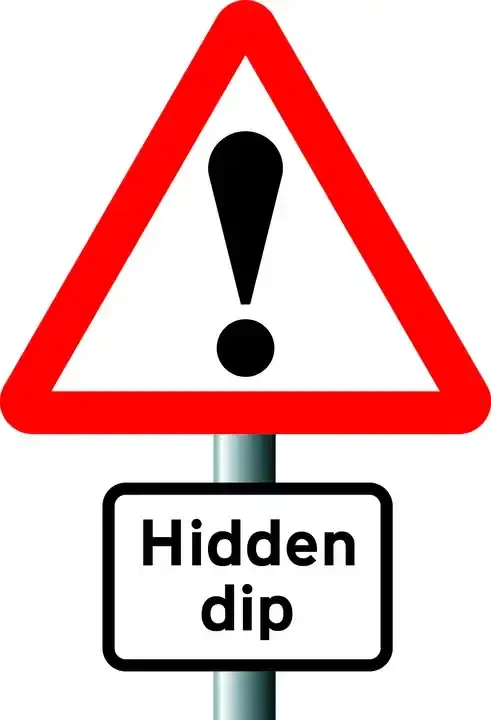
    Illustration for the question: What should you do if you see this sign when you're about to overtake?

    Correct answer: D — Hold back until you can see clearly ahead

    You won't be able to see any hazards that might be out of sight in the dip. As well as oncoming traffic, there may be cyclists, horse riders, parked vehicles or pedestrians hidden from view. Only start to overtake when you can see the road ahead is clear, giving you enough time to overtake safely.
  2. Question 2 of 20

    Other road users

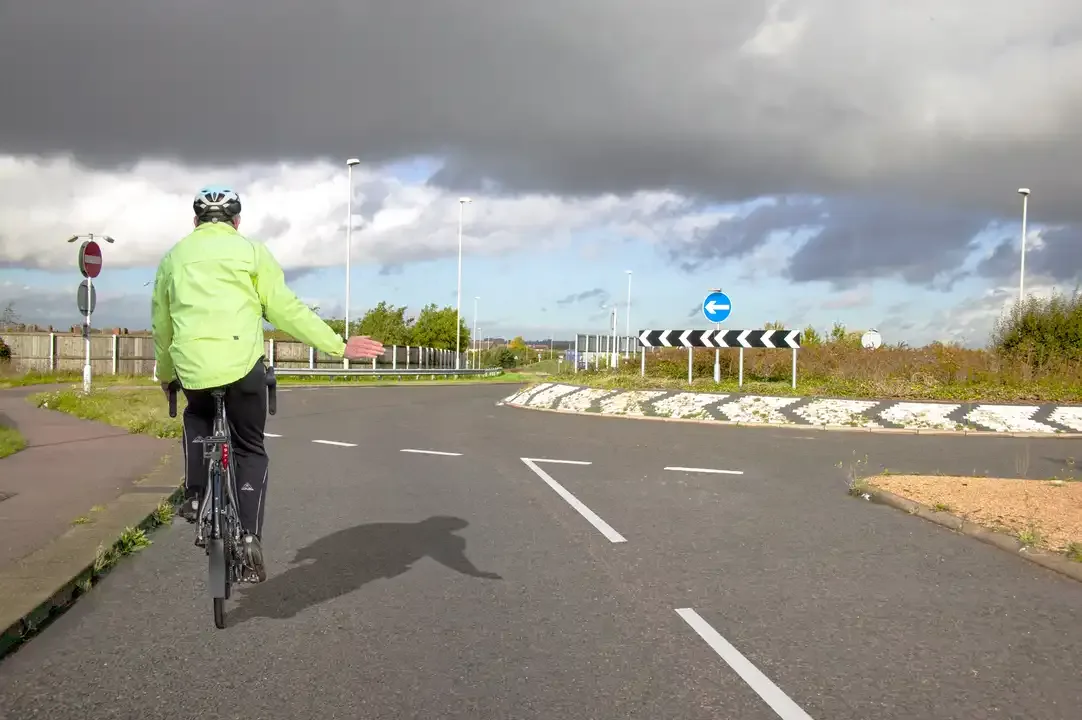
    You're approaching this roundabout and see the cyclist signal right. Why is the cyclist keeping to the left?

    Illustration for the question: You're approaching this roundabout and see the cyclist signal right. Why is the cyclist keeping to the left?

    Correct answer: D — They may use the left-hand lane to turn right

    Cycling in today's heavy traffic can be hazardous. Some cyclists might not feel happy about crossing the path of traffic to take up a position in an outside lane. Be aware of this and understand that, although they're in the left-hand lane, the cyclist might be turning right.

  3. Question 3 of 20

    Road and traffic signs

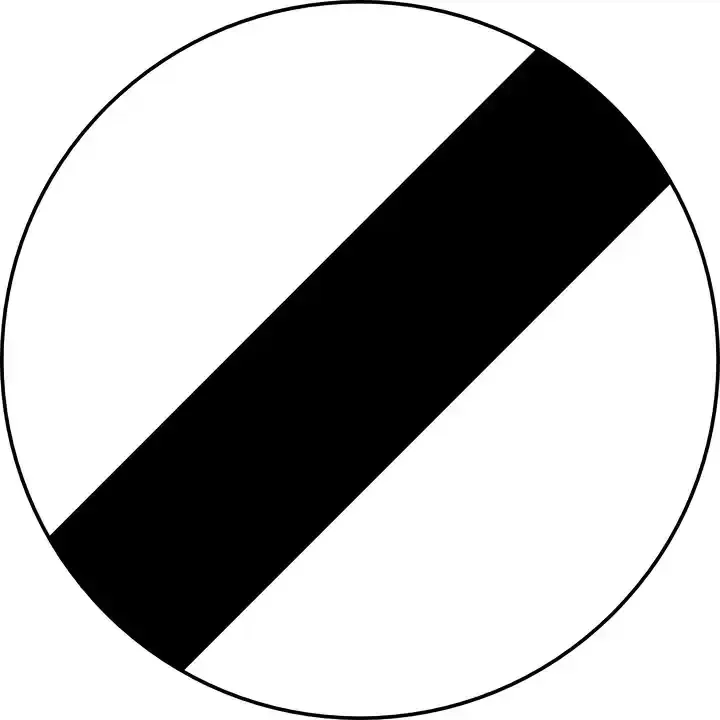
    You're driving a lorry with a maximum authorised mass of 38 tonnes on a single carriageway road in England. What's the speed limit for your vehicle after passing this sign?

    Illustration for the question: You're driving a lorry with a maximum authorised mass of 38 tonnes on a single carriageway road in England. What's the speed limit for your vehicle after passing this sign?

    Correct answer: B — 50 mph

    The national speed limit for a goods vehicle exceeding 7.5 tonnes on a single carriageway road in England and Wales is 50 mph. In Scotland, the limit is 40 mph. The national speed limit varies for different vehicle categories. You must know the limit that applies to the vehicle you're driving.

  4. Question 4 of 20

    Other road users

    What should you do when you're approaching this zebra crossing?

    Illustration for the question: What should you do when you're approaching this zebra crossing?

    Correct answer: A — Prepare to slow down and stop

    Be courteous and prepare to stop. Don't wave people across, as this could be dangerous if another vehicle is approaching the crossing.

  5. Question 5 of 20

    Road and traffic signs

    You're driving a laden articulated lorry with a maximum authorised mass of 38 tonnes on a dual carriageway in England. What speed limit applies to your vehicle after passing this sign?

    Illustration for the question: You're driving a laden articulated lorry with a maximum authorised mass of 38 tonnes on a dual carriageway in England. What speed limit applies to your vehicle after passing this sign?

    Correct answer: C — 60 mph

    60 mph may be the legal speed limit for a goods vehicle on a dual carriageway in England and Wales, but it doesn't mean that it's safe to drive at that speed. You should always take into account the road, weather and traffic conditions, and maintain safety margins.

  6. Question 6 of 20

    Other road users

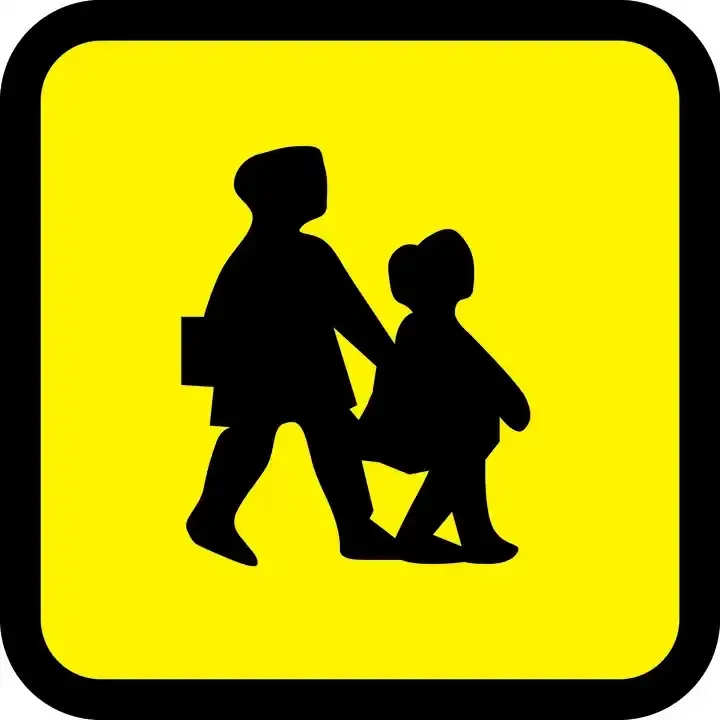
    You're driving in a town. What should you do when you see this sign on a stationary bus ahead?

    Illustration for the question: You're driving in a town. What should you do when you see this sign on a stationary bus ahead?

    Correct answer: C — Drive past slowly

    Children getting off the bus will be hidden from your view, and they may not be able to see you. Even if they can see you, they may have poor judgement of danger. You should drive slowly as you pass the bus and be ready to stop.

  7. Question 7 of 20

    Road and traffic signs

    You're driving a lorry weighing more than 7.5 tonnes on a dual carriageway in England. What does this sign mean?

    Illustration for the question: You're driving a lorry weighing more than 7.5 tonnes on a dual carriageway in England. What does this sign mean?

    Correct answer: C — Maximum speed 60 mph

    The maximum speed for lorries over 7.5 tonnes maximum authorised mass on a dual carriageway in England and Wales is 60 mph. In Scotland, the limit is 50 mph. Be aware of the speed limits applying to different types of vehicle on particular roads. This is the maximum speed allowed, but it may not always be safe to drive at this speed, because of the weather, volume of traffic and other factors.

  8. Question 8 of 20

    Other road users

    What should you do when you're following a scooter on a poor road surface?

    Illustration for the question: What should you do when you're following a scooter on a poor road surface?

    Correct answer: C — Stay well back and allow them room

    On a poor road surface, the rider may need to move out to avoid potholes. You may not get much warning. A look to the right or a 'lifesaver' check may warn you that they're about to move out. Stay well back and allow the rider plenty of room until you can pass safely.

  9. Question 9 of 20

    Road and traffic signs

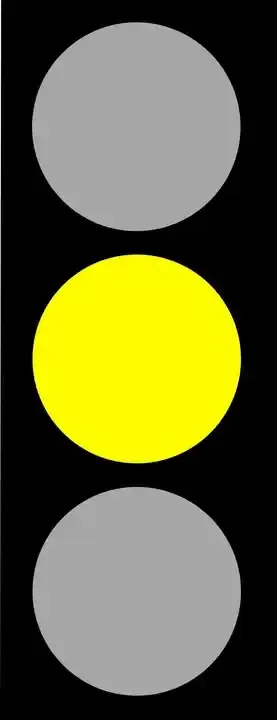
    You see this traffic light ahead. Which light or lights will come on next?

    Illustration for the question: You see this traffic light ahead. Which light or lights will come on next?

    Correct answer: A — Red alone

    The amber light means stop. You may only go on if the light changes to amber after you've crossed the stop line or when you're so close to the line that stopping might cause a collision. The amber light is followed by the red light.

    You must wait behind the stop line until the green light shows.

  10. Question 10 of 20

    Other road users

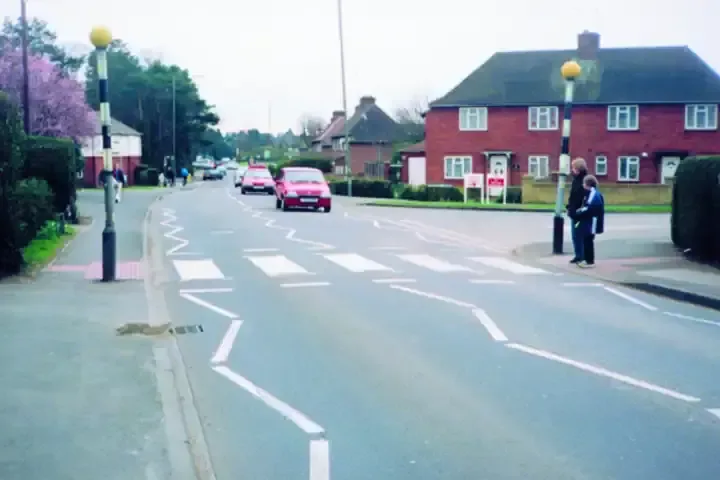
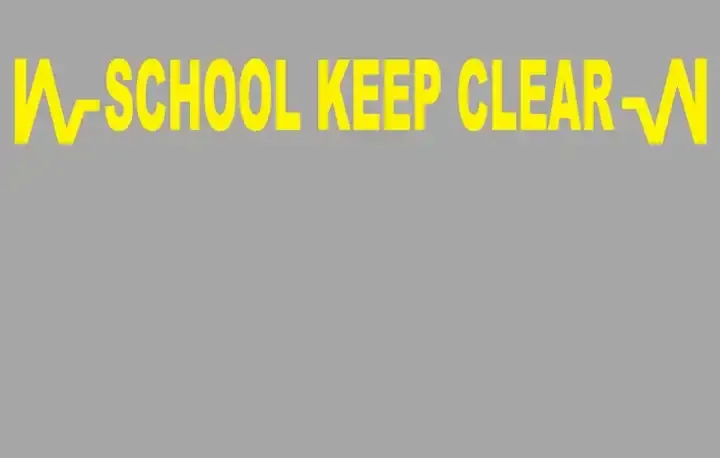
    What would happen if you stop on these road markings?

    Illustration for the question: What would happen if you stop on these road markings?

    Correct answer: A — It would obstruct everyone's view of the area

    These markings are found on the road outside schools. Don't stop or park on them, even to set down or pick up children. The markings are to make sure that drivers, riders and children have a clear view.

  11. Question 11 of 20

    Road and traffic signs

    What does this motorway sign mean?

    Illustration for the question: What does this motorway sign mean?

    Correct answer: D — All lanes closed ahead

    When the red lights are flashing, don't go beyond this signal. This sign shows that all lanes ahead are closed and you mustn't enter the motorway. Motorway signals are located on the central reservation, to the left of the hard shoulder, on overhead gantries and at the entrance to the motorway.

  12. Question 12 of 20

    Other road users

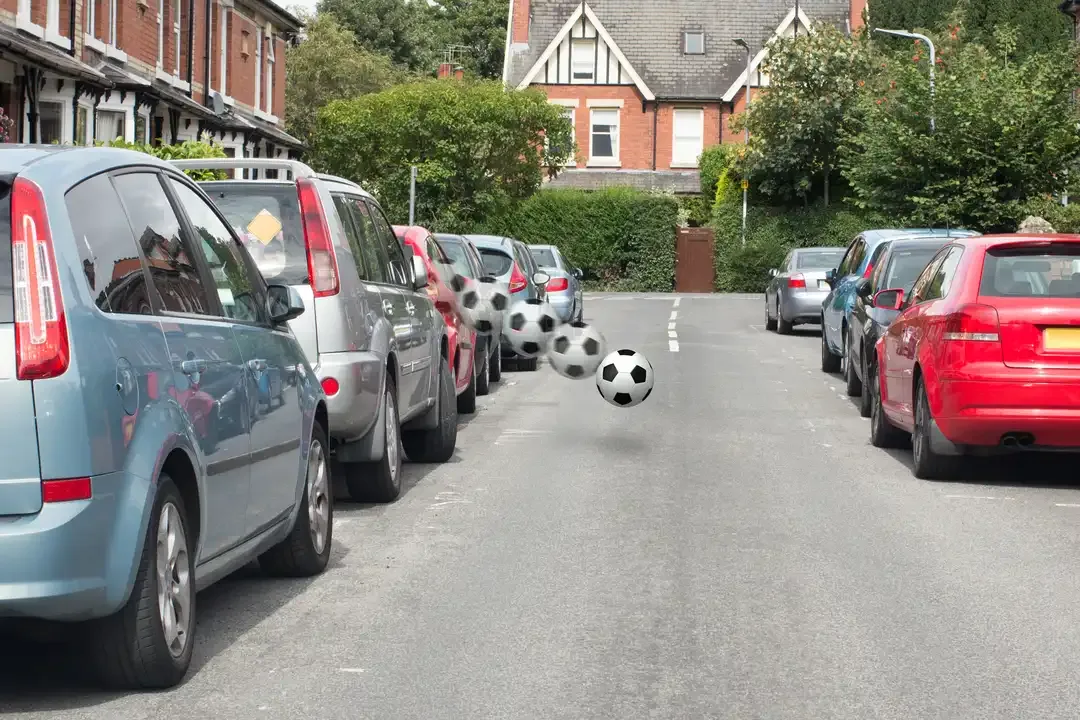
    You're driving past a line of parked cars. What should you do if you notice a ball bouncing out into the road ahead?

    Illustration for the question: You're driving past a line of parked cars. What should you do if you notice a ball bouncing out into the road ahead?

    Correct answer: C — Slow down and be prepared to stop for children

    Beware of children playing in the street and running out into the road. If a ball bounces out from the pavement, slow down and stop if necessary. Don't encourage anyone to fetch the ball from the road. Other road users might not see your signal and you might lead a child into danger.

  13. Question 13 of 20

    Road and traffic signs

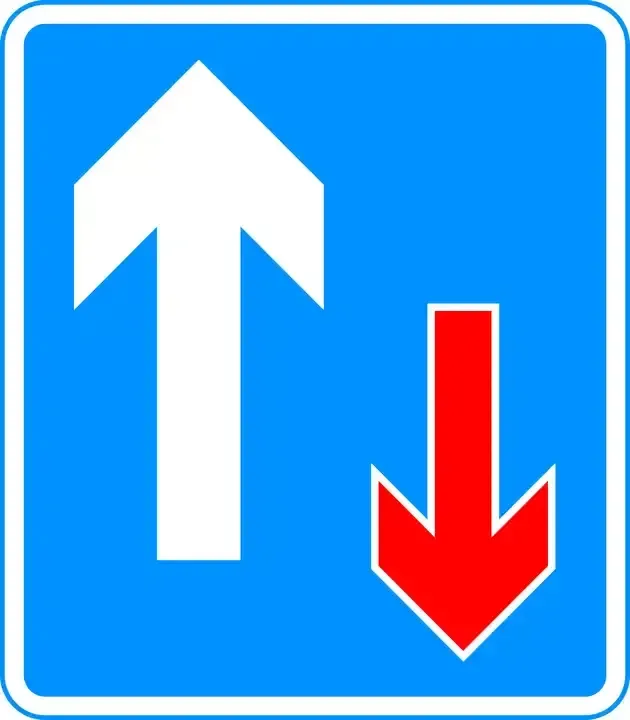
    What should you do when you see this sign ahead?

    Illustration for the question: What should you do when you see this sign ahead?

    Correct answer: B — Slow down; the road may be narrow ahead

    When the road narrows, there'll be less room than normal and others may not obey the rules, so slow down and approach with caution. Even when you have priority, you should still be ready to stop.

  14. Question 14 of 20

    Other road users

    What do yellow zigzag lines on the road outside a school mean?

    Illustration for the question: What do yellow zigzag lines on the road outside a school mean?

    Correct answer: C — You mustn't wait or park on these lines

    Parking on the yellow zigzag lines will block the view of the school entrance. This will endanger the lives of children wanting to cross the road on their way to and from school.

  15. Question 15 of 20

    Road and traffic signs

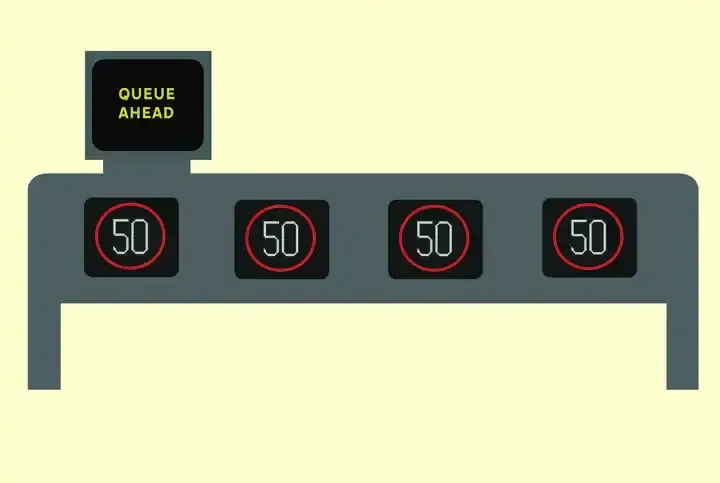
    You see this sign on a motorway. Which lane can you use?

    Illustration for the question: You see this sign on a motorway. Which lane can you use?

    Correct answer: D — Permitted lanes, including the hard shoulder

    Speed-limit signs show above the hard shoulder and all other lanes on a motorway. This means you can use the hard shoulder as a running lane and you must stay within the speed limit shown. Look well ahead for any vehicles that have broken down and are blocking the hard shoulder.

  16. Question 16 of 20

    Other road users

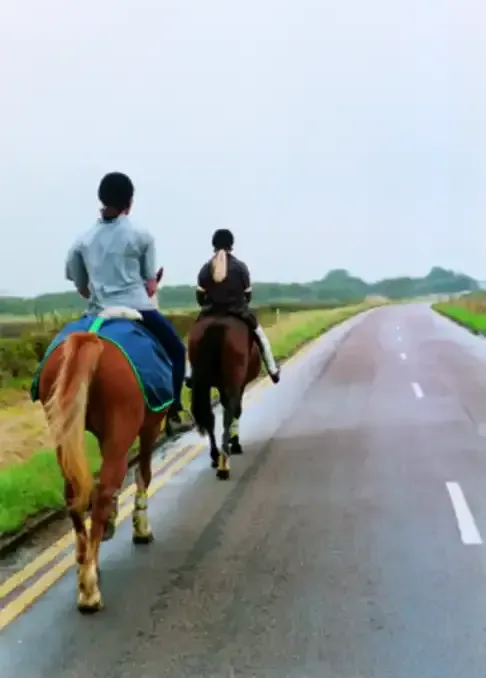
    You're about to overtake horse riders. What could scare the horses?

    Illustration for the question: You're about to overtake horse riders. What could scare the horses?

    Correct answer: A — Sounding your horn

    When passing horses, allow plenty of space, slow down and stop if you need to. Animals are easily frightened by sudden or loud noises and can quickly become uncontrollable, so don't sound your horn or rev the engine.

  17. Question 17 of 20

    Road and traffic signs

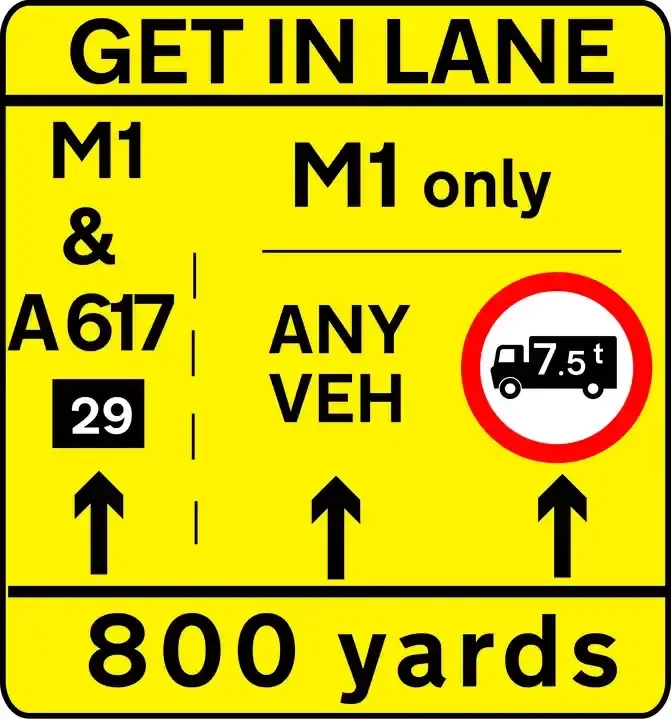
    You're on a motorway. Your lorry has a maximum authorised mass of more than 7.5 tonnes. What does this sign mean to you?

    Illustration for the question: You're on a motorway. Your lorry has a maximum authorised mass of more than 7.5 tonnes. What does this sign mean to you?

    Correct answer: A — You mustn't use the right-hand lane

    At motorway roadworks, some lanes may be narrower than normal and large vehicles may not be allowed to use those lanes. Look for weight-limit signs to check for any lanes that you can't use. Move to the appropriate lane in good time.

  18. Question 18 of 20

    Other road users

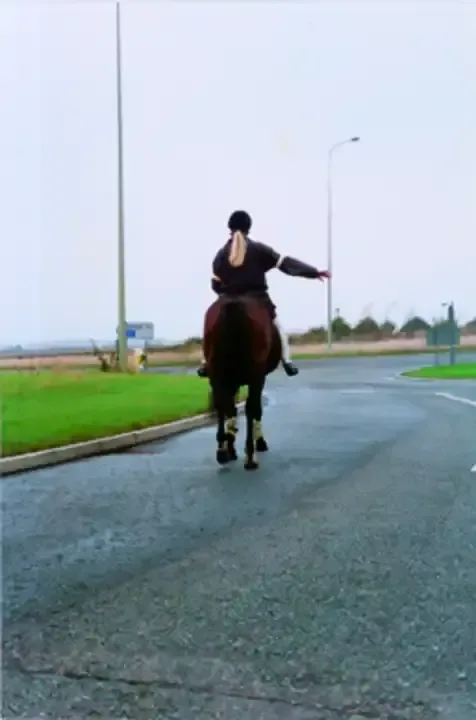
    You see a horse rider as you approach a roundabout. What should you do if they're signalling right but keeping well to the left?

    Illustration for the question: You see a horse rider as you approach a roundabout. What should you do if they're signalling right but keeping well to the left?

    Correct answer: D — Stay well back

    Allow horse riders to enter and exit the roundabout in their own time. Don't drive up close behind or alongside them; this could disturb the horse.

  19. Question 19 of 20

    Road and traffic signs

    You're driving a lorry weighing more than 7.5 tonnes on a motorway. What does this sign mean?

    Illustration for the question: You're driving a lorry weighing more than 7.5 tonnes on a motorway. What does this sign mean?

    Correct answer: C — Maximum speed 60 mph

    The maximum speed for lorries over 7.5 tonnes maximum authorised mass on a motorway is 60 mph. However, it may not always be appropriate or possible to drive at this speed, because of the weather, volume of traffic and other factors.

  20. Question 20 of 20

    Other road users

    You're following a cyclist. What should you do if you wish to turn left a short distance ahead?

    Illustration for the question: You're following a cyclist. What should you do if you wish to turn left a short distance ahead?

    Correct answer: C — Hold back until the cyclist has passed the junction

    Make allowances for cyclists. Allow them plenty of room, and be aware that they also have to deal with hazards. They might swerve or change direction suddenly to avoid uneven road surfaces.